Asbestos & Hazardous Materials Removal/ Management

Asbestos & Hazardous Materials Management – Safe, Professional, and Compliant Solutions

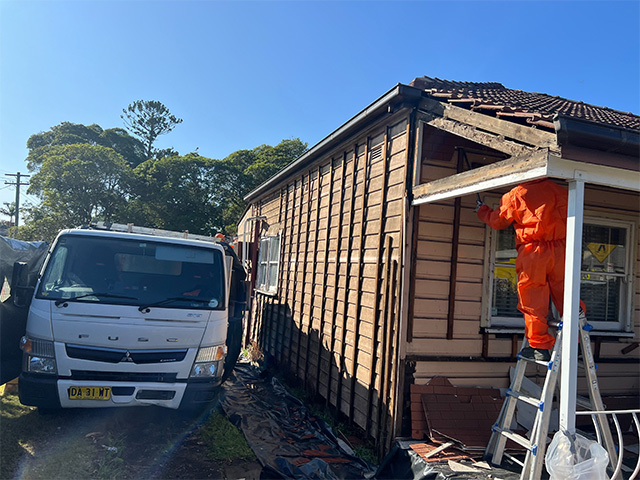
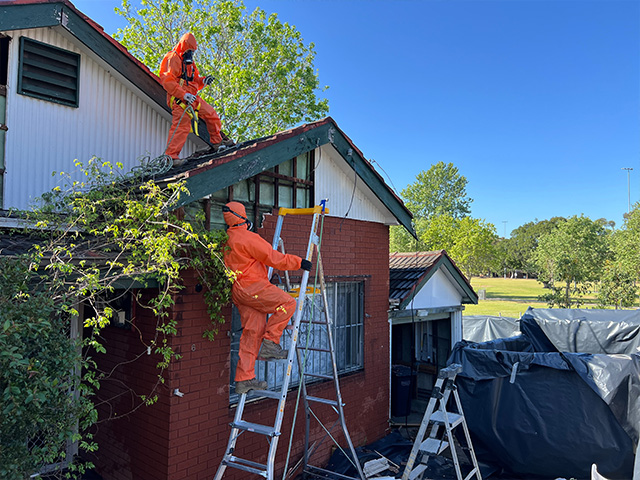
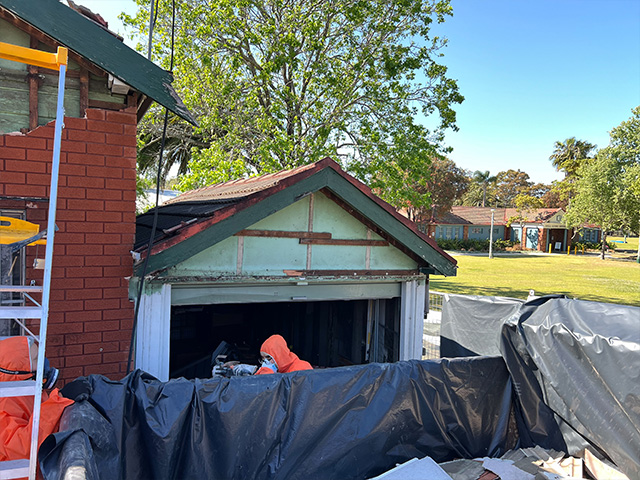
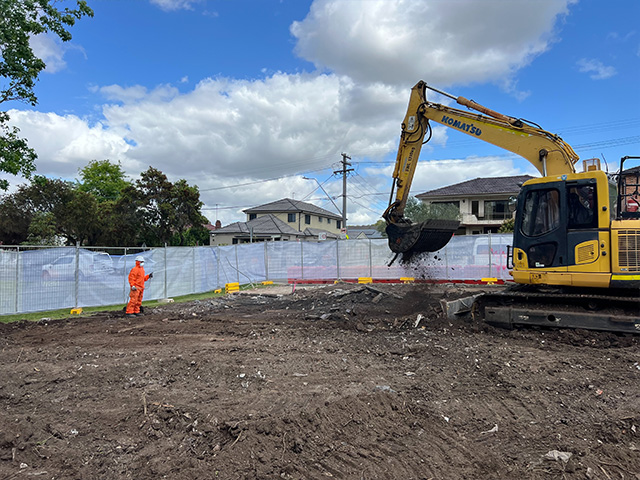
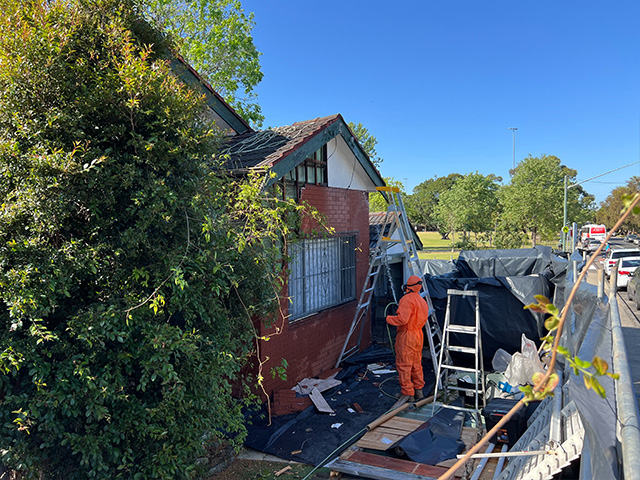
Asbestos and other hazardous materials pose serious health risks if not properly managed. At Integrated Environmental, we specialise in the safe identification, removal, and disposal of asbestos-containing materials, ensuring compliance with local and national regulations. Our team of certified professionals works diligently to protect your health and safety while minimising disruption to your home or business.

blank

Loose fill asbestos insulation

blank

Loose fill asbestos insulation testing

blank

Loose fill asbestos insulation

Can materials be assessed as containing asbestos through visual inspection?

There are many locations where asbestos containing materials were commonly used. In most cases, an experienced and licenced asbestos assessor will be able to immediately identify if asbestos is present in these locations. Some asbestos fibres will be visible with the naked eye, which helps to easily locate asbestos containing materials.

Which areas of residential buildings are most likely to contain asbestos?

  • Fire doors
  • Wall and ceiling cement sheeting
  • Corrugated roof sheeting
  • Bituminous waterproof membrane
  • Lagging on pipe work
  • Vinyl tiles and adhesive
  • Electrical switchboards
  • Insulation
blank
Electrical backing boards
blank
Ceiling and wall linings
blank
Corrugated cement roof sheeting
blank
Pipe lagging
blank
Vinyl tiles
blank
Fire doors

When asbestos is contained in a bonded form such as in cement sheeting, it presents no health risk. Bonded asbestos only presents a health risk when the material is disturbed and the fibres become airborne. Friable asbestos such as insulation, may pose a health risk regardless of whether or not it is disturbed.

Integrated Environmental is able to provide the following services:

    
  • Asbestos and Hazardous Material Removal
  • Hazardous/Asbestos Building Materials Registers
  • Asbestos Removal Control Plans
  • Air Monitoring for Hazardous Materials including asbestos
  • Sample Analysis Services
  • Asbestos Air Monitoring
  • Clearance Certificates
  • Lead Dust Removal

Service Breakdown

  1. Asbestos Surveys & Inspections “Our comprehensive asbestos surveys help identify asbestos-containing materials (ACMs) in residential, commercial, and industrial settings. We follow strict guidelines and use modern technology to ensure thorough inspections, providing you with a detailed report of any hazardous materials present.”
  2. Asbestos Removal & Disposal “We provide licensed and fully compliant asbestos removal services. Our team is trained to safely remove and dispose of asbestos in line with all state and federal regulations, ensuring the health and safety of occupants. We use specialised equipment and methods to minimise the risk of airborne asbestos fibres during removal.”
  3. Hazardous Materials Management “Beyond asbestos, we manage a wide range of hazardous materials such as lead, mercury, and mold. Our team has extensive experience in safely handling these materials, ensuring they are removed or contained with minimal risk to people and the environment.”
  4. Clearance Certificates & Air Monitoring “Post-removal, we conduct air quality monitoring to ensure your space is completely safe from asbestos contamination. We also provide clearance certificates to verify that your property meets health and safety standards before reoccupation.”

Why Choose Integrated Environmental?

  • Certified and Licensed Experts:Our team consists of fully licensed asbestos removalists with years of experience. We stay up-to-date with industry best practices and regulations to deliver the highest standard of service.”
  • Health & Safety Focused: “We prioritise your health and safety at every stage of the process, from initial inspections to final air monitoring. Our meticulous attention to detail ensures that hazardous materials are handled safely and effectively.”
  • Compliance Assurance: “All our asbestos and hazardous materials management services comply with Work Health and Safety (WHS) regulations and Safe Work Australia guidelines. We ensure that every project meets the highest standards for legal and safety compliance.”
  • Tailored Solutions: “Every property is different, and so is every project. We tailor our asbestos removal plans to suit the specific needs of your property, ensuring the safest and most efficient approach.”

Consultants also hold Asbestos Assessor Licenses to perform asbestos clearances and air monitoring.

Integrated Environmental has vast experience in undertaking all asbestos related work. Staff have completed both friable and non-friable (bonded) consultancy work and are Safe Work NSW licenced asbestos assessors.

Please visit our frequently asked questions page for information on the management of asbestos in NSW.

Concerned about asbestos or hazardous materials in your property? Contact Integrated Environmental today for a professional inspection and ensure your home or business is safe and compliant. Call us at 0448 298 485 or fill out our online form for a free consultation.

Not sure if you’re dealing with asbestos? Here’s a quick asbestos spotting guide for homeowners and property managers! Check out this video that covers key visual clues to help you identify potential asbestos-containing materials (ACMs) without the need for lab testing. Stay safe, stay informed on-site.

**Note: Always stay cautious while treating or handling any unknown material. Consider consulting with a licensed professional for safe handling and confirmation.

We are the Sydney experts in the following:

  • Asbestos fire door testing and removal
  • Lead paint testing and removal
  • Asbestos removal from sheds and demolition
  • Asbestos contaminated soil testing and removal
  • Loose fill asbestos insulation testing
  • Asbestos “Make Safe” on damaged materials
  • Dumped asbestos testing and removal
  • Lead dust removal
blank

FAQs: What People Ask the Most

The first indication of asbestos is the age of the material/building. If the building was constructed before 1987 there is a very good chance that it contains asbestos. It should be noted that any building constructed before 31 December 2003 may contain asbestos.

Asbestos is a fibre material. If looking at it with a close eye you can determine what asbestos type it is. It will either be white and straight with splayed ends (Amosite). White wavy with splayed ends (chrysotile) or blue, straight with splayed ends (crocidolite).

The only way to conclusively tell if a material is asbestos and its type is to collect and analyse it under a microscope using AS 4964—2004. The laboratory used must be NATA accredited for the method.

The two regulations specific to the discovery of asbestos in soil (NSW) are listed in the documents below:

  • National Environment Protection (Assessment of Site Contamination) Measure 1999 as amended and in force on 16 May 2013.
  • Workcover Guideline, Managing asbestos in or on soil, March 2014.

Health screening levels are used when assessing the action required. They are taken from the National Environment Protection (Assessment of Site Contamination) Measure 1999 as amended and in force on 16 May 2013.

The health screening levels are assessed by collecting 500 mL of soil and sending them to a laboratory for asbestos concentration determination.

A risk assessment will need to be conducted on the material and that used to develop a management strategy. A management strategy may include one or more of the following:

  • Capping the material
  • Pick the fragments up (sparrow pick)
  • Off-site disposal

Friable ACM is any material that contains more than one percent asbestos by weight or area, depending on whether it is a bulk or sheet material and can be crumbled, pulverized, or reduced to powder by the pressure of an ordinary human hand.

Bonded ACM are made from a bonding compound (such as cement) mixed with a small proportion (usually less than 15%) of asbestos. Bonded ACM are solid, rigid and non-friable, and cannot be crumbled, pulverised or reduced to powder by hand pressure. The asbestos fibres are tightly bound in the product and are not normally released into the air.

  • Low battery
  • Filter loading
  • Malfunction in the pump
  • Kink in the sample tube

The results must be rejected. Depending on the time that the flow fault occurred, the results may still be useful in determining the asbestos air concentration.

If the building was constructed before 1987 there is a very good chance that it contains asbestos. But there is the possibility that a building constructed before December 2003 also contains asbestos.

An asbestos building register conducted by a licensed asbestos assessor will conclusively determine the location and type of asbestos present.

  • ACM in sound condition, left undisturbed, presents negligible risk to building occupants and the general community. Therefore removal of asbestos may not be immediately necessary but should take into consideration immediate health risks and be completed prior to demolition, partial demolition, renovation or refurbishment if these works are likely to disturb ACM.
  • Engage a suitably qualified person to prepare an asbestos register and if asbestos materials are identified an asbestos management plan.
  • Label all asbestos containing materials identified.
  • Inspections are to be undertaken and the asbestos register updated a minimum of once every 5 years.
  • Persons engaged to undertake work at the site are to be provided the asbestos register before starting work.
  • Asbestos removal is to be undertaken by a Class A asbestos removal contractor for friable asbestos or a Class B asbestos removal contractor for bonded material.
  • Adhesives
  • Pipes and flues
  • Drywall compounds
  • Sheathing on Wiring
  • Ceiling tiles
  • Mastic sealant
  • Paint (galbestos)
  • Cement sheeting
  • Gaskets
  • Vinyl tile
  • Electrical backing board
  • Fire proofing
  • Pipe lagging
  • Textile cloths
  • Insulatio

Most corrugated asbestos cement roof sheeting around NSW are old. They are fully exposed to the elements. As such many are deteriorating and leaking.

Often the upper surface of the roofing material is deteriorated, resulting in the release of loose fibres. These loose asbestos fibres can accumulate in lichen on the roof, in gutters or down pipes. This material is classed as friable and when it dries the fibres can become airborne.

Leaking asbestos cement roofs can allow drops of water, carrying asbestos fibres, onto the floor of your building. When the water dries the fibres can become airborne. All leaking asbestos roofs should be repaired or replaced promptly.

In general the use of water or gels (such as shaving cream) can help to reduce dust (note that wet methods cannot be used if there is an electrical hazard). Non-powered tools should be used as they make larger (less hazardous) dust particles than power tools. High speed abrasive power or pneumatic tools must not be used. Personal protective equipment and cleanup equipment is required

Asbestos fibres are often present on surfaces adjacent to bonded and friable asbestos products. It is near impossible to remove all asbestos fibres from surfaces adjacent to asbestos materials. Asbestos clearance for friable and bonded asbestos removal works involves the visual inspection of the surfaces for visible dust only.